Rating: 4.5/5 stars
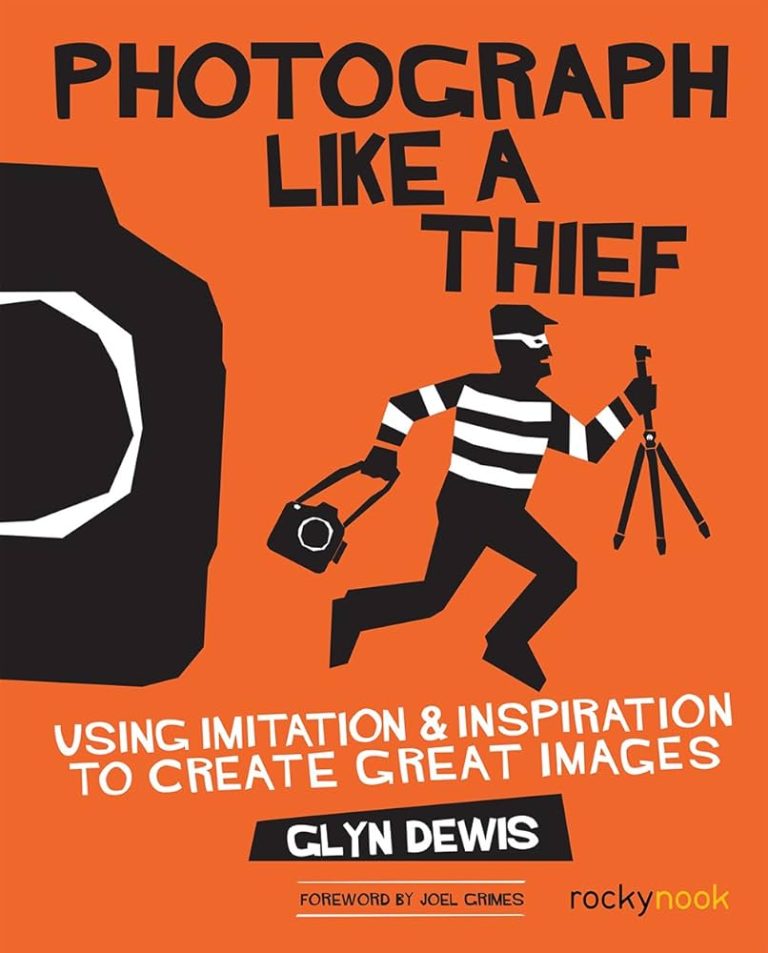
There’s a particular kind of creative guilt that photographers carry around like unwanted camera gear. You see an image that stops you in your tracks, and suddenly you’re wrestling with whether it’s okay to be inspired by it, or whether that makes you some kind of artistic fraud. Glyn Dewis’s Photograph Like a Thief: Using Imitation and Inspiration to Create Great Images doesn’t just address this anxiety—it completely dismantles it.
Permission to Steal (the Right Way)
The premise is deceptively simple: great artists have always learned by studying and reinterpreting the work of masters who came before them. Dewis argues, convincingly, that photography is no different. But this isn’t a book about copying. It’s about understanding the mechanics of what makes an image work, then using that knowledge to develop your own voice.
What sets this book apart from typical photography instruction is Dewis’s willingness to get specific. He doesn’t just tell you to “find inspiration”—he walks you through exactly how he deconstructs images he admires, identifying lighting setups, compositional choices, and post-processing techniques. Then, critically, he shows you how he adapts these elements rather than replicating them wholesale.
Structure and Accessibility
The book is organized around different photographic elements: lighting, color grading, composition, and conceptual development. Each chapter follows a similar pattern: Dewis presents an image that influenced him, breaks down what makes it effective, and then demonstrates how he incorporated those lessons into his own work while maintaining originality.
This approach works because Dewis is refreshingly honest about his process. He doesn’t pretend that his ideas spring fully formed from nowhere. Instead, he shows the messy, iterative reality of creative development. For photographers at any level, this transparency is invaluable.
The Technical Sweet Spot
Dewis strikes a good balance between technical instruction and creative philosophy. The lighting diagrams are clear without being overly complex, and his explanations of post-processing techniques are practical rather than exhaustive. You won’t learn every possible Photoshop trick, but you’ll understand the principles behind the editing choices that matter.
That said, readers looking for extremely detailed technical breakdowns might find some sections a bit surface-level. Dewis tends to focus on concepts over pixel-peeping precision, which is arguably more useful for most photographers but might disappoint hardcore technical readers.
Beyond Imitation
Where the book truly shines is in its later chapters, where Dewis addresses how to move from informed imitation to genuine innovation. He provides practical exercises that push you to combine multiple influences, add personal elements, and eventually create work that stands on its own. The progression feels natural rather than forced.
His discussion of creative ethics—when inspiration crosses into plagiarism, how to credit influences, and why transparency matters—is particularly thoughtful. In an era of Instagram and Pinterest, where visual ideas circulate at lightning speed, these conversations feel urgent and necessary.
Minor Quibbles
The book occasionally repeats itself, particularly around the core thesis that studying other work is essential to growth. Once you’ve bought into the premise (which happens quickly), you might find yourself skimming some of the philosophical sections. Additionally, while Dewis’s work is strong, readers expecting a showcase of wildly diverse photographic styles might find his portfolio somewhat focused on portrait and commercial work.
Who This Book Is For
This book is ideal for intermediate photographers who’ve mastered the technical basics but feel stuck creatively. It’s for anyone who’s ever felt paralyzed by the fear that their ideas aren’t “original enough” or who’s struggled to move beyond snapshot documentation toward more intentional image-making.
Absolute beginners might find some of the technical discussions challenging without supplementary resources, while advanced professionals may already employ many of these techniques intuitively. But for that vast middle ground of photographers seeking creative breakthrough, Photograph Like a Thief offers both permission and a practical roadmap.
Final Verdict
Glyn Dewis has written a book that’s part technical manual, part creative manifesto, and entirely necessary. By reframing imitation as a legitimate learning tool rather than artistic theft, he frees photographers to learn openly from the vast visual culture around them. The real theft, he suggests, would be refusing to learn from greatness when it’s right in front of us.
If you’ve ever bookmarked an inspiring image and then felt guilty about it, this book is your absolution—and your education.