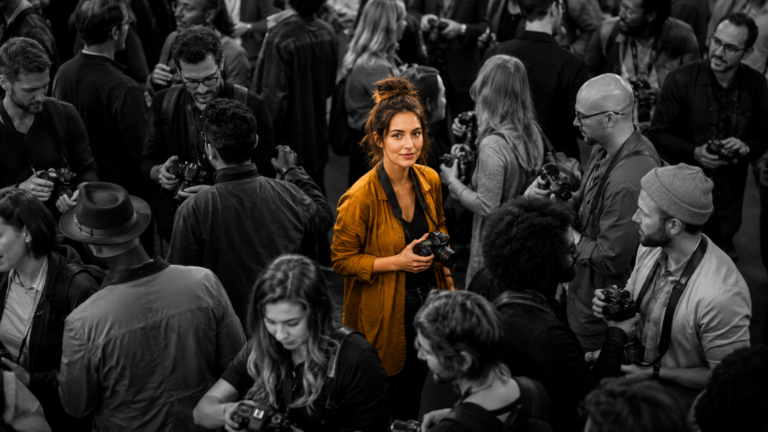
Philadelphia has no shortage of talented photographers. From weddings and corporate events to portraits, fashion, sports, fine art, and street photography, the region is filled with professionals capable of producing strong images. That abundance of talent benefits clients, but it also creates a difficult reality for photographers trying to build sustainable businesses.
Producing excellent photographs is no longer enough.
Potential clients are exposed to hundreds of photographers through Instagram, Facebook, Google, TikTok, wedding directories, venue websites, and online advertising. Many of these photographers present polished portfolios, competitive pricing, and similar promises of creativity, professionalism, and quality. In such a crowded market, technical skill may earn attention, but it does not always create loyalty.
What often separates one photographer from another is the experience provided before, during, and after the images are created.
Clients may initially hire a photographer because they admire the portfolio, but they are far more likely to recommend that photographer because of how they were treated. Clear communication, thoughtful preparation, reliability, patience, flexibility, and professionalism can become just as important as the final photographs.
A great client experience begins with the first inquiry. Responses should be prompt, helpful, and easy to understand. Pricing, expectations, timelines, and deliverables should be clearly explained. Clients should never feel confused about what happens next or uncertain about whether their photographer is prepared.
Before a session or event, photographers can add value through planning guides, wardrobe recommendations, location advice, timelines, questionnaires, and consultation calls. These details demonstrate that the photographer is invested in the client’s success rather than simply showing up with a camera.
During the shoot, the photographer’s personality and ability to lead become essential. Many clients are uncomfortable in front of the camera. A photographer who creates a relaxed atmosphere, offers clear direction, notices small details, and makes people feel confident can transform the entire experience. Clients may not understand lighting ratios or lens choices, but they will remember whether they felt respected, comfortable, and cared for.
The experience should also continue after the session. Providing updates, meeting delivery deadlines, presenting images professionally, assisting with print selections, and checking in after delivery all reinforce the value of the service. Even small touches, such as a personal thank-you note or a thoughtfully organized gallery, can leave a lasting impression.
This is especially important because many photographers can create visually competent work. Fewer are able to deliver a consistently organized, personal, and memorable experience.
Photographers must also develop a recognizable identity. Describing a business as creative, passionate, or experienced is unlikely to separate it from the competition because nearly every photographer uses the same language. A stronger message explains who the photographer serves, what experience clients can expect, and why that approach matters.
A portrait photographer might specialize in helping nervous clients feel comfortable and confident. A wedding photographer may be known for calm guidance during stressful timelines. A commercial photographer may stand out through dependable project management, fast turnaround, and consistent brand imagery.
A photographer’s website should reflect both the quality of the images and the quality of the experience. It should feature current work, explain the process, answer common questions, include recent reviews, and make it easy to inquire. Testimonials should highlight not only beautiful photographs, but also communication, reliability, personality, and service.
Local search visibility, social media, reviews, useful content, and relationships with venues and planners remain important. However, marketing can only bring a client through the door. The experience determines whether that client returns, leaves a strong review, and recommends the photographer to others.
In Philadelphia’s oversaturated photography market, great images are the expectation. The photographers most likely to survive and grow are those who create an experience that clients value just as much as the photographs themselves.