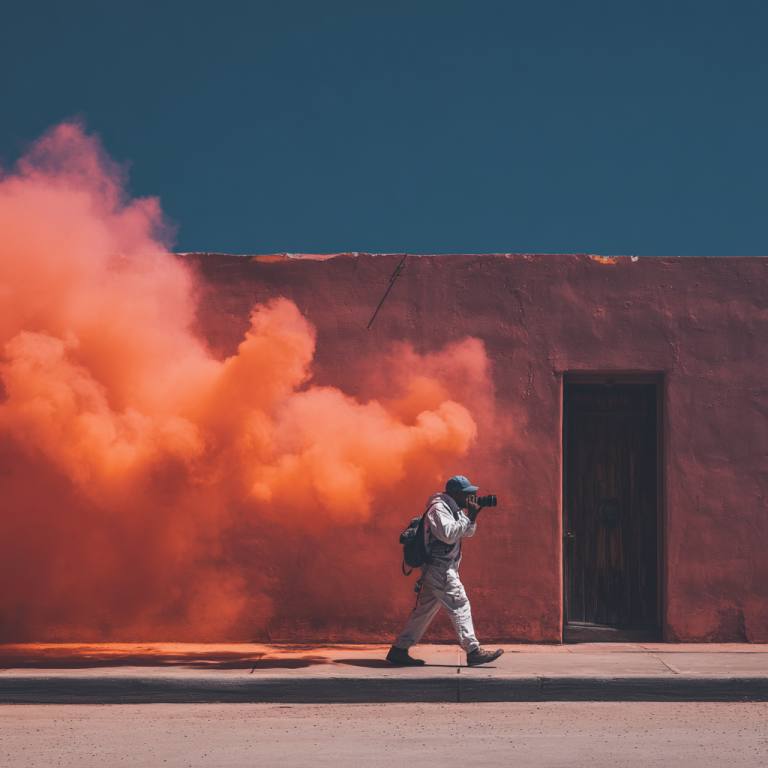
Summer photography can bring out the best light and vibrant colors—but when the temperature soars into the 90s and beyond, shooting in extreme heat becomes a challenge not just for your gear, but for your health, focus, and creativity. Whether you’re capturing a bustling street scene, documenting a festival, or exploring landscapes, here’s how to keep cool (literally and figuratively) when the heat is on.
1. Protect Yourself First
Before thinking about your gear, think about your body. Heat exhaustion and heatstroke are real risks, especially when you’re standing in direct sun for hours with heavy equipment strapped to your body.
- Hydrate constantly. Bring more water than you think you need. Consider an insulated bottle or hydration pack.
- Dress smart. Wear light-colored, breathable clothing, a wide-brim hat, and sunglasses with UV protection.
- Plan your timing. Avoid the midday sun (typically between 11 a.m. and 3 p.m.) when heat is at its worst. Opt for early morning or golden hour whenever possible.
- Seek shade breaks. Set a timer on your phone to remind yourself to rest and cool down every 30–45 minutes.
2. Shield Your Gear
Heat doesn’t just affect people—it can wreak havoc on your expensive equipment.
- Avoid direct sun exposure. Use a lens hood and keep your camera in a padded, light-colored bag when not in use. Don’t leave your gear in a hot car.
- Overheating sensors. Mirrorless cameras, particularly those shooting 4K video or burst mode, can overheat quickly. If you notice performance issues or feel heat radiating from the body, give it a break.
- Use UV and ND filters. A UV filter can reduce hazy glare, while a neutral density (ND) filter helps with wide apertures in bright light.
- Extra batteries. Batteries drain faster in high temperatures. Keep extras on hand and store them in the coolest place you can.
3. Adjust Camera Settings for Harsh Light
Bright sun creates high-contrast scenes with deep shadows and blown-out highlights.
- Use spot metering to ensure correct exposure for your subject—especially with people.
- Shoot in RAW to allow for better correction of highlights, shadows, and color balance in post.
- Use a reflector or diffuser to control lighting in portraits. A simple white umbrella or collapsible diffuser can soften harsh light and reduce squinting.
- Watch your histogram. Don’t trust your LCD screen in the sun—use the histogram to prevent clipping.
4. Think Creatively with Light and Heat
Extreme weather can produce dramatic, unexpected imagery.
- Look for heat haze rising off pavement or rooftops—it can add atmosphere and visual interest.
- Capture sweat, stillness, or motion blur to communicate the intensity of the day.
- Play with shadows cast by trees, buildings, or people. Long, sharp shadows can become part of your composition.
- Night photography. When daytime heat is unbearable, shift to blue hour or nighttime shooting. Cities come alive with color and energy after dark—and it’s cooler.
5. Be Mindful of Your Subjects
If you’re photographing people in the heat—especially children, older adults, or pets—work quickly and with empathy. Offer water. Give breaks. No image is worth risking someone’s well-being.
Final Thoughts
Photographing in extreme heat demands flexibility, planning, and care. But it can also produce stunning, vibrant images that capture the raw essence of summer. Respect the heat, prepare well, and you’ll come away with images—and memories—worth sweating for.
Stay safe, stay cool, and keep shooting.