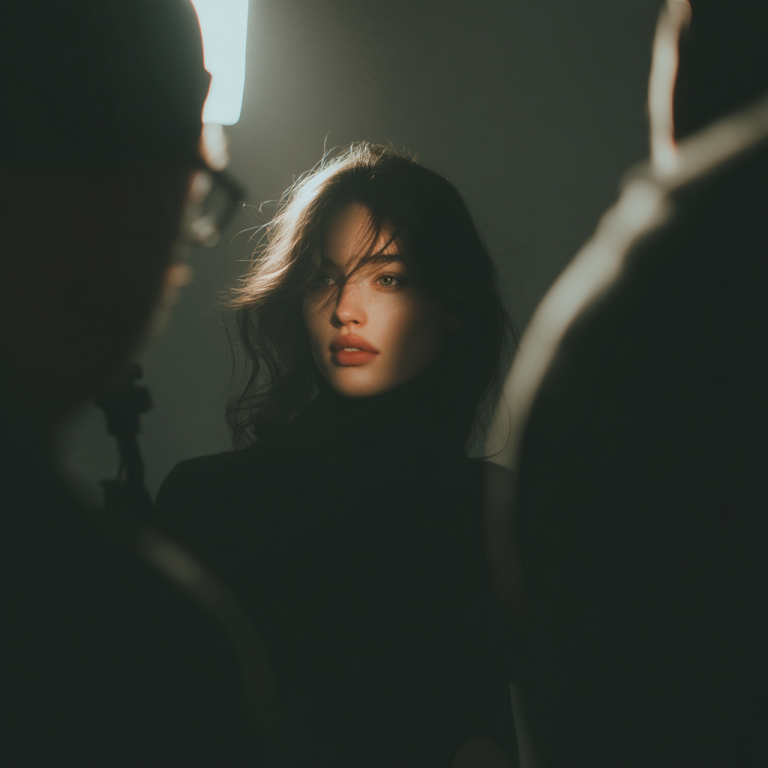
The relationship between a model and photographer should always be rooted in trust, professionalism, and mutual respect. But unfortunately, that isn’t always guaranteed. With more and more collaborations happening through social media or informal connections, ensuring model safety has become more important than ever. Whether you’re an aspiring model just starting out or a seasoned professional, here are some essential guidelines to stay safe during photoshoots.
Research the Photographer
Before agreeing to a shoot, do your homework. Check the photographer’s website, portfolio, and social media presence. Look for consistency in their work, signs of professionalism, and references from other models. Don’t be afraid to reach out to people who’ve worked with them in the past. If something feels off or their online presence is vague or inconsistent, that’s a red flag.
Communicate Clearly and Professionally
Set expectations early. Discuss the location, concept, wardrobe, duration of the shoot, and whether the photos will be used commercially or for portfolio work. Always ask if a model release is required and request to review it ahead of time. Professional photographers will be clear about usage and respectful of your questions.
Document your agreement in writing—even if it’s just an email or message thread. This creates a paper trail that can be useful if any misunderstandings arise later.
Trust Your Instincts
If something doesn’t feel right, don’t ignore it. Gut feelings are often rooted in subtle cues we subconsciously pick up. If a photographer is pressuring you to do something you’re uncomfortable with—like a different outfit, a change in concept, or poses that weren’t discussed—speak up or end the shoot.
Bring a Friend or Chaperone
Many professional photographers understand and encourage models to bring a friend or companion, especially for the first shoot. This person should be someone you trust and who won’t interfere with the creative process. Their presence can be a deterrent to inappropriate behavior and provide emotional support if needed.
Choose Safe, Public Locations
When possible, schedule sessions in public spaces like parks, urban areas, or studios with staff on site. If you’re shooting at a private location, make sure someone knows where you’ll be, how long you’ll be gone, and has contact details for the photographer. Share your live location with a trusted friend using a phone app.
Watch for Red Flags
Avoid photographers who:
- Refuse to share their full name or business details.
- Don’t have a consistent or legitimate portfolio.
- Push for boudoir, implied, or nude content without prior discussion or clear consent.
- Try to isolate you or discourage having someone accompany you.
- Ask to bypass signed agreements or contracts.
Professional conduct is non-negotiable. Photography is a collaborative art, and both the model and photographer should feel safe, heard, and empowered.
Advocate for Yourself and Others
If you’ve had a bad experience, consider reporting it to relevant industry groups, forums, or social platforms. Speak with others in your network. Your voice might protect someone else. Likewise, if you’ve had a great experience, leave positive reviews or testimonials—it helps build a safer and more trustworthy community.
Model safety isn’t just a concern for models—it’s a shared responsibility across the entire creative ecosystem. At Philly Photo Journal, we believe in uplifting the art of photography through ethical, inclusive, and respectful practices. Every shoot should leave everyone involved feeling proud—not just of the work created, but of the way it was created.
Stay safe. Stay smart. And never compromise your boundaries for a photo.