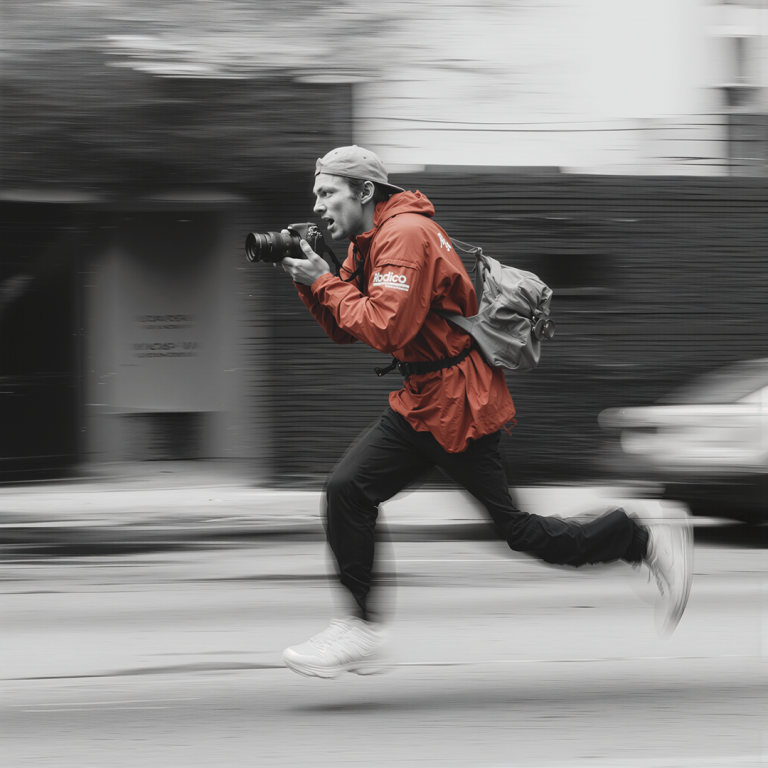
The photography industry in 2026 faces a paradox that would have seemed impossible a decade ago. We have better cameras, more accessible education, and higher demand for visual content than ever before—yet professional photographers are struggling to justify their rates more than at any point in modern memory.
The problem isn’t that clients don’t value photography. It’s that they genuinely can’t tell the difference between a $200 “shoot and burn” session and a $2,000 professional experience until after they’ve already made their choice.
The Clarity Gap
The confusion spans every sector of professional photography. A corporate client searching for headshots finds one photographer charging $75 per person with immediate digital delivery, another at $350 per person with studio time and retouching, and a third offering on-site sessions at $2,500 for the day. An event planner comparing conference photographers sees quotes ranging from $500 to $5,000 for what appears to be the same eight-hour coverage. A couple planning their wedding encounters packages from $400 to $8,000, all promising “beautiful memories.”
Without a framework to evaluate these options, clients default to the one universal metric they understand: price per deliverable.
This is where most photographers lose the battle before it even begins. They assume their portfolio speaks for itself. They believe clients will inherently recognize superior composition, lighting, and moment capture. But here’s the uncomfortable truth: most clients lack the visual literacy to distinguish technical excellence from competent mediocrity when viewing galleries online.
What they can recognize is how a photographer makes them feel during the consultation, how clearly the process is explained, and whether the investment seems reasonable for what they’re receiving.
The Confidence Problem
Photographers who compete primarily on price aren’t just undervaluing their work—they’re signaling uncertainty about their own worth. When you lead with “affordable packages” or “competitive rates,” you’re essentially asking the client to evaluate you on the same terms as the cheapest option in the market.
The successful photographers I know in 2026 have stopped defending their prices altogether. Instead, they’ve become exceptionally skilled at three things:
Articulating their process. They don’t just show final images; they explain the pre-event consultation, the timeline coordination, the backup equipment systems, the editing workflow, the delivery schedule, and the ongoing support. For corporate work, they detail color-corrected images for brand consistency and professional retouching standards. For events, they explain crowd management techniques and how they capture key moments without disrupting program flow. For weddings, they outline the shot list collaboration and family portrait organization. Suddenly “all the digital files on a USB drive” doesn’t sound like the complete package anymore.
Defining the transformation. They’ve shifted the conversation from “capturing your event” to outcomes that matter. For corporate clients: “ensuring your team looks polished and professional across all marketing materials.” For event planners: “documenting your conference so sponsors see their ROI and attendees relive the experience.” For couples: “preserving this milestone so you can relive it for decades.” The product isn’t just edited images—it’s confidence that this investment won’t be wasted on poor documentation.
Setting boundaries with certainty. When a potential client says “I love your work but my budget is $1,500,” the confident photographer doesn’t immediately offer a scaled-down package. They say, “I understand budget constraints are real. My minimum investment for this type of coverage is $3,500 because that’s what it costs to deliver the experience and quality I’m known for. I can recommend some talented photographers who work at different price points, or we can talk about what a modified scope might look like if you’d like to work together.”
That last part is critical. Notice they didn’t say “unfortunately” or “I wish I could.” They stated their reality clearly and offered alternatives without apologizing for their standards.
Why Budget Photography Isn’t the Enemy
Here’s where this gets nuanced: budget photographers aren’t destroying the industry. They’re serving a real market need for clients who want decent photos without a significant investment. A startup needing quick headshots for their website, a small conference with minimal photography needs, or a couple with a micro-wedding budget all have legitimate reasons to choose affordable options.
The problem arises when professional photographers with premium pricing fail to differentiate themselves beyond subjective claims of “better quality.”
A $500 photographer who delivers unedited images within a week is actually providing clear value: speed, quantity, and affordability. They’ve set expectations and met them.
A $3,500 photographer who provides liability insurance, backup shooters for critical events, color-corrected files matching brand guidelines, professional retouching, and guaranteed delivery timelines is also providing clear value—but only if they’ve communicated what that experience includes before the client starts comparing price tags.
The photographers struggling in 2026 are the ones charging mid-range prices while delivering essentially the same product as the budget option, just with better cameras and more years of experience that don’t translate into tangible client benefits.
Building Market Clarity
If you’re a photographer feeling pricing pressure, the solution isn’t to lower your rates or create cheaper package tiers. It’s to become dramatically more clear about what clients are actually buying.
This means rethinking everything from your website copy to your consultation structure. Stop assuming your work speaks for itself. Start treating client education as part of your product.
For corporate clients, create guides explaining why professional headshots increase LinkedIn engagement, how consistent brand imagery affects customer perception, or what happens when an annual report uses poorly lit executive portraits. Show the difference between images shot with proper lighting versus natural window light. Explain your commercial usage rights and how they differ from budget options.
For event clients, demonstrate your knowledge of venue lighting challenges, your backup equipment strategy, and how you capture VIP moments without being intrusive. Walk them through what happens if their photographer gets sick the day of a conference, or how you handle last-minute schedule changes during a gala.
For wedding clients, explain why backup equipment matters for a once-in-a-lifetime event. Show them the difference between images pulled straight from camera and professionally retouched work. Detail your experience managing family portrait sessions and timeline coordination.
The photographers commanding premium rates in 2026 aren’t necessarily the most talented artists. They’re the ones who’ve made the invisible visible—who’ve taken all the professional standards, safeguards, and skills that seem obvious to industry insiders and translated them into language that makes sense to people hiring a photographer for perhaps the first time.
The Path Forward
Market clarity benefits everyone. When clients understand what they’re buying, they make better decisions. Budget photographers keep clients who prioritize affordability. Premium photographers keep clients who value comprehensive service and guaranteed results. And the painful middle ground—where confused clients choose based on price because they can’t distinguish anything else—begins to disappear.
Whether you’re shooting a Fortune 500 annual meeting, a nonprofit gala, or a destination wedding, the question isn’t whether you can compete with budget photographers. The question is whether you can articulate your value clearly enough that price becomes just one factor in a much larger decision.
In 2026, that clarity is the competitive advantage. Not your camera. Not your portfolio. Your ability to guide clients with confidence through one of the most confusing purchasing decisions they’ll make all year.
That’s the real work. And it’s worth far more than any single session fee.